Illuminated signs : between commercial visibility and environmental responsibility
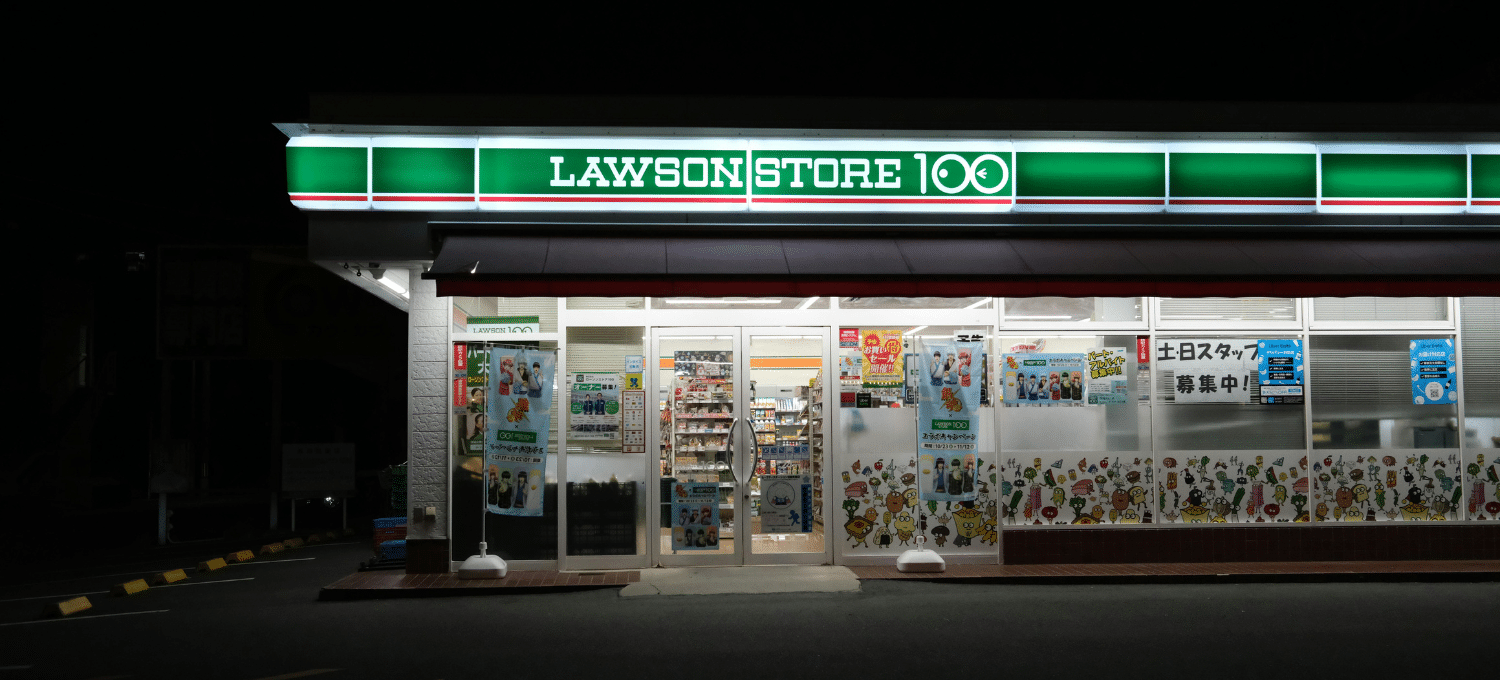

Illuminated signage is much more than just a lighting device.
It plays a key role in branding strategy.
It boosts visibility and influences consumer behaviour.
Signage that is visible from a distance allows businesses to be quickly identified, establishes a strong visual identity and helps them stand out in a competitive environment
It acts as a permanent signal, facilitating brand memorisation and recognition.
Light naturally attracts the eye. An illuminated shop window or logo :
- captures attention
- enhances the attractiveness of the point of sale
The presence of light in the evening also helps to create a feeling of activity
and dynamism in a neighbourhood, reinforcing the image of a lively area.
Significant energy consumption that affects its environment

While illuminated signs contribute to commercial vitality, their environmental and urban impact raises several concerns.
When lighting remains on throughout the night, energy consumption automatically increases.
Even with more efficient LED technologies, the proliferation of lighting devices leads to :
- continuous energy expenditure
- indirect CO₂ emissions
- significant economic costs for businesses and local authorities
In the context of energy transition, these uses are increasingly being questioned.
In addition, artificial light at night disrupts ecosystems. It affects insects attracted to light sources, the biological cycles of birds and mammals, and the quality of the night sky.
The fight against light pollution has become a major public policy issue, particularly in the context of biodiversity conservation.
Finally, we must not forget the nuisance this can cause for residents. Indeed, some signs can generate light intrusion into homes, but this can also have an impact on sleep quality.
This alters the urban experience: excessive light can be perceived as aggressive or intrusive.
A legal framework exists, but it is sometimes poorly enforced.
French regulations require illuminated signs to be turned off at certain times (particularly between 1 a.m. and 6 a.m., with some exceptions). However, due to a lack of awareness or enforcement, violations persist.
The challenge is therefore not only technical, but also cultural : changing practices.
Faced with these challenges, the transformation of the illuminated signage model has become necessary.The goal is to provide intelligent lighting.
The photoluminescent alternative with LuminoKrom®
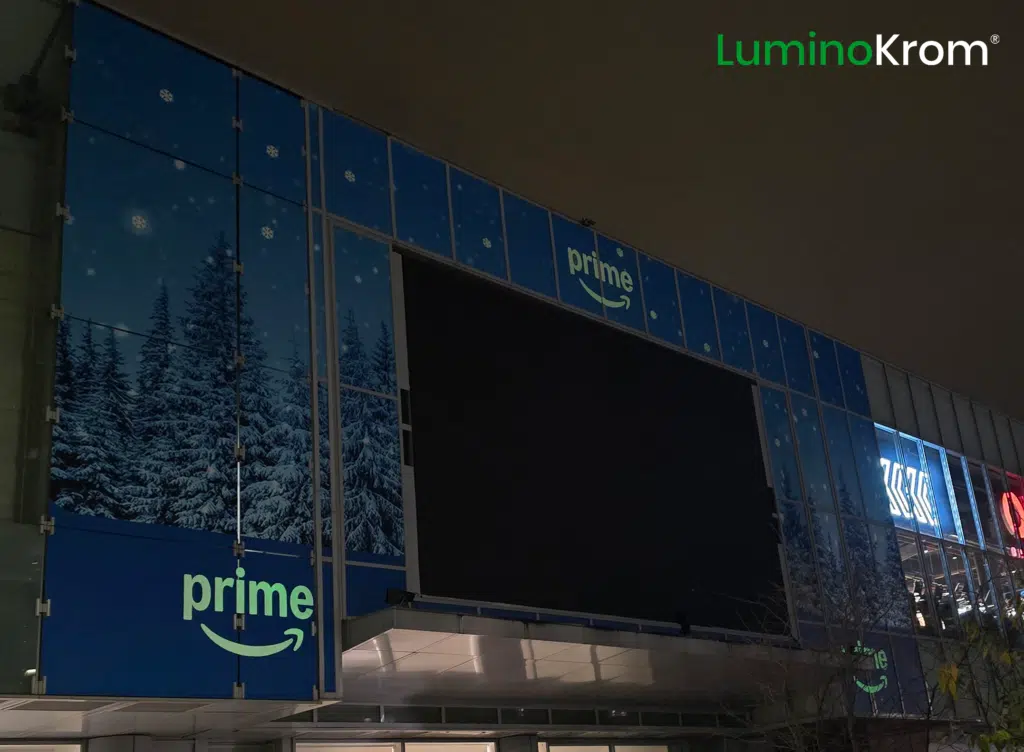
In line with this approach, innovative solutions are emerging, such as LuminoKrom® photoluminescent technology.
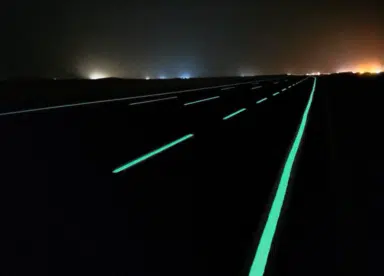
Unlike signs that require a continuous power supply, LuminoKrom® absorbs light during the day and releases it in the dark, without consuming energy.
Applied to signage or visual identification elements, this photoluminescent paint makes it possible to :
- maintain a visible marker at night
- reduce dependence on electric lighting
- limit light pollution
- combine visibility and energy efficiency
It thus offers a concrete alternative for rethinking commercial signage in a more sustainable way.